•Carl Silbersky
Why Spatial Intelligence, Why Warehouses, Why Now
Physical AI is having a moment. Humanoids that walk, models that fold laundry, vehicles that drive without a person behind the wheel — the demos are striking, and the funding has followed them. But the setting where physical AI is quietest and closest to daily, measurable use isn't the one getting the attention. It's the warehouse.
For most of the last decade, "AI" meant software that lived on a screen: a model reading text, ranking search results, classifying images drawn from a training set. Physical AI is a different problem. The model has to understand one specific three-dimensional space, not a distribution of examples — a particular floor, a particular aisle, a particular rack that moved four inches since Tuesday.
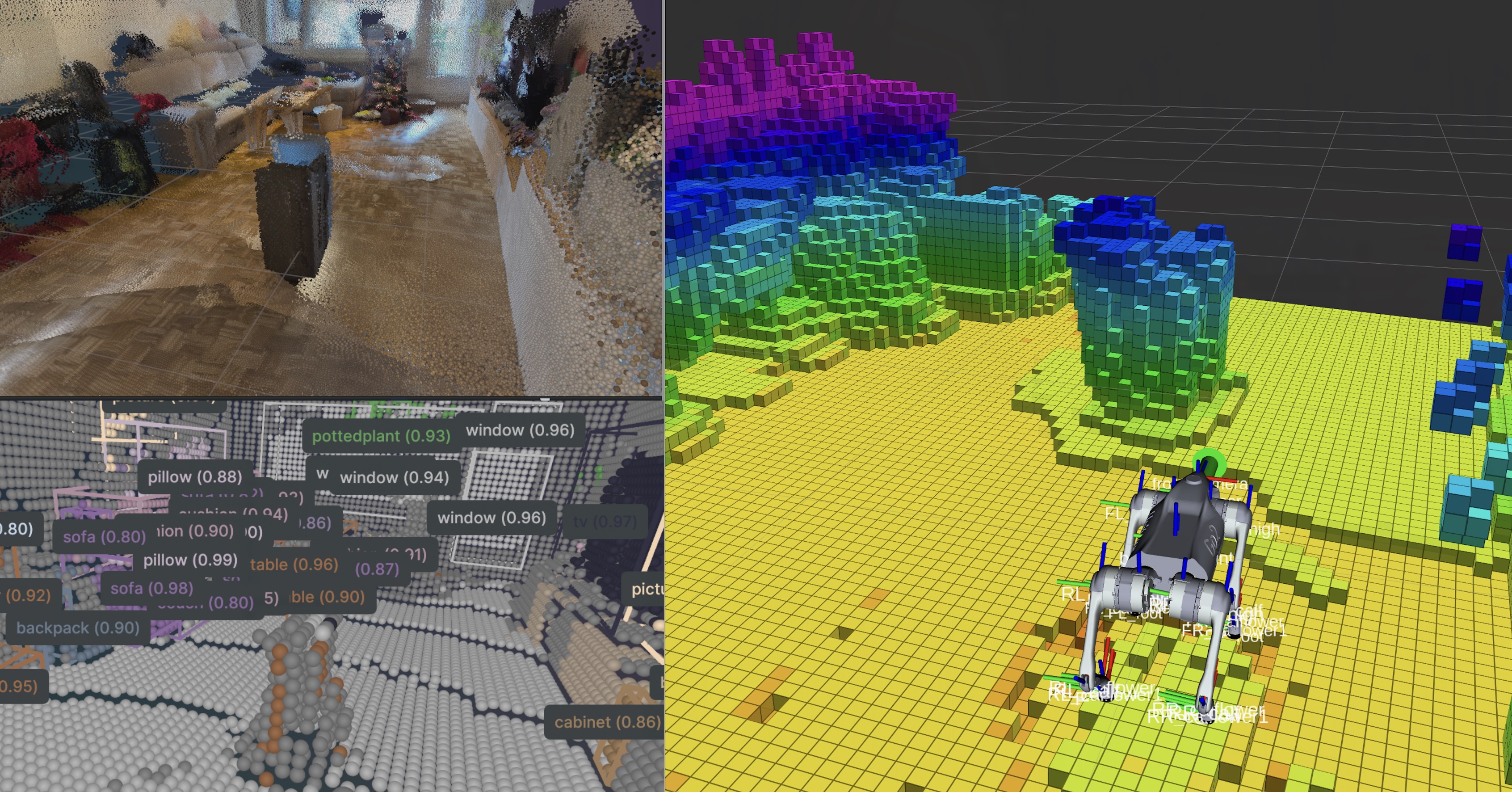 Preview of 3D semantic map integration in Nav2